

A compliant credit card surcharging program lets a business add a small fee to credit card payments to help cover processing costs, while following federal law, the Visa and Mastercard rules, and clear disclosure requirements. The key word is compliant. Credit card surcharging is allowed for most businesses, but only on credit cards, only up to a cap, and only when customers are told about it the right way. Getting those pieces right is what separates a program that works from one that risks chargebacks or card network penalties.
Request your free statement audit » · or call (219) 699-8306
What makes a surcharging program compliant?
Passing credit card fees to customers is not as simple as adding a line to the bill. A compliant program follows four basic principles: surcharge credit cards only, stay within the card network cap and your real cost of acceptance, notify the card networks before you start, and disclose the surcharge clearly to customers. Miss any one of these and you expose the business to disputes or the loss of card acceptance. The rest of this page walks through each requirement.
Visa and Mastercard surcharging rules
The card networks set the ceiling on surcharging. A few rules apply to every merchant:
- The cap. Visa and Mastercard generally limit a credit card surcharge to about 3% (2% in Oklahoma). You can never surcharge more than it actually costs you to accept that card, so if your effective rate is 2.6%, your surcharge cannot be 3%.
- Advance notice. Visa requires at least 30 days advance notice to the card networks and your processor before you begin surcharging, and the other networks have similar requirements.
- Credit only. A surcharge can be applied to credit cards only, never to debit or prepaid cards.
Surcharge rules can change, so these are general figures to confirm before you launch.
Credit cards only: the debit exclusion
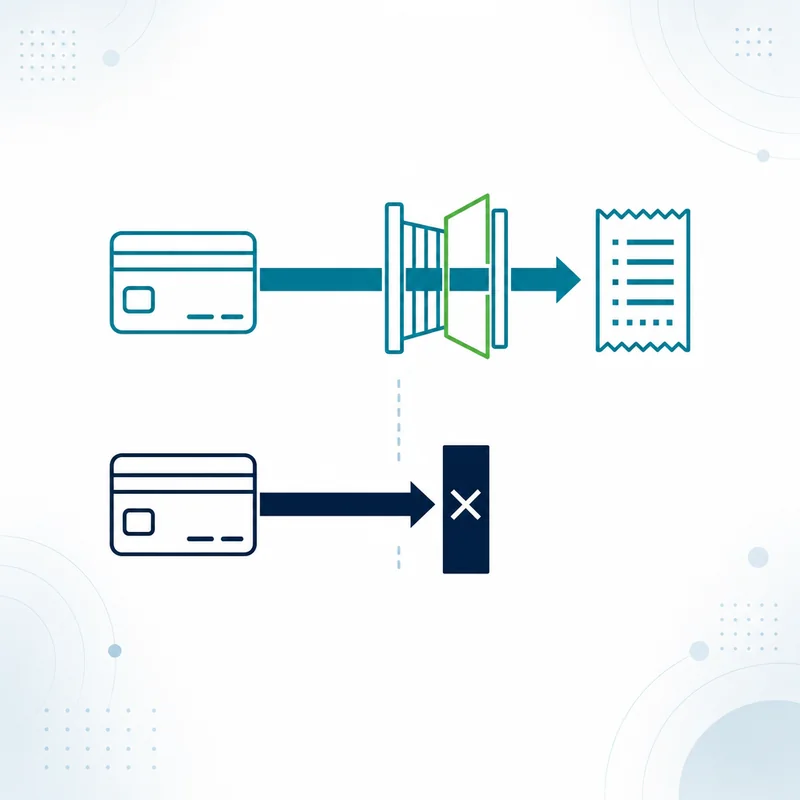
One rule trips up more businesses than any other: you can surcharge credit cards, but you cannot surcharge debit cards, even when a customer runs a debit card as credit at the terminal. This comes from the federal Durbin Amendment, and prepaid cards are treated the same way. Your payment system has to tell the difference between a credit and a debit card at the moment of sale and apply the surcharge only to credit transactions. For more on how this works under state and federal law, see is surcharging legal in Indiana.
Disclosure and signage requirements
Customers have to know about the surcharge before they pay. A compliant program posts a clear notice where customers enter and again at the point of sale, and shows the surcharge as a separate line item on every receipt. The signage should state that a surcharge applies to credit card payments and is not greater than your cost of acceptance. Clear, honest disclosure protects the business and keeps the program within the rules.
How to set up a compliant surcharging program
- Start with your statement. A processor reviews your current rates so the surcharge is set at or below your true cost of acceptance.
- Notify the card networks and your processor. File the required advance notice before the program goes live.
- Configure your terminal or POS. Set the system to apply the surcharge to credit cards only and to print it as a separate line item.
- Post compliant signage. Place notices at the entrance and the register.
- Review it regularly. Rates and rules change, so check the setup periodically.
Surcharging or dual pricing: which fits your business?
Surcharging is not the only way to offset card fees. Many businesses prefer dual pricing, where you post a cash price and a card price and customers see a cash discount rather than an added fee. The mechanics are similar, but the customer experience is friendlier. Two available options are Payroc’s RewardPay Choice program for surcharging and its ConsumerChoice program for dual pricing, so we can match the model to your business. Compare the two in our guide to dual pricing vs surcharging, or read the full dual pricing overview.
Set it up right with a local Northwest Indiana partner
PayPoint Systems is an independent Northwest Indiana merchant services provider. For businesses across Lake and Porter counties, we set up compliant surcharging programs, handle the card network notifications and compliant signage, and walk you through the numbers in plain English. We are not the card processor ourselves; we are the local team that makes sure your program is built correctly from day one. The simplest place to start is a free look at what your current card fees actually cost.
Frequently asked questions
How does a credit card surcharge work?
A surcharge adds a small percentage fee to credit card payments to help cover processing costs. The business posts notice of the surcharge, applies it to credit cards only at checkout, and shows it as a separate line on the receipt. It cannot be more than the cost of accepting the card.
Can a business charge a credit card surcharge?
In most states, yes, for credit cards, as long as the business follows federal rules, the card network requirements, and disclosure rules. A few states restrict surcharging, and it never applies to debit or prepaid cards. This is general information, not legal advice; confirm your situation with PayPoint and your own counsel.
How much can I charge as a surcharge?
Generally up to about 3% (2% in Oklahoma), the Visa and Mastercard limit, and never more than your actual cost of accepting that card. If a card costs you 2.5% to accept, your surcharge cannot exceed 2.5%.
Do I have to notify the card networks before surcharging?
Yes. Visa requires at least 30 days advance notice to the card networks and your processor before you begin surcharging, and the other networks have similar requirements. A compliant program files this notice before the first surcharged transaction.
Can I surcharge debit cards?
No. The federal Durbin Amendment prohibits surcharging debit cards, even when a customer selects credit at the terminal, and prepaid cards are excluded too. A surcharge applies to credit cards only, which is why the payment system has to identify the card type at the point of sale.
What signage is required to add a surcharge?
A clear notice belongs where customers enter and again at the point of sale, stating that a surcharge applies to credit card payments and is not greater than your cost of acceptance. Every receipt should show the surcharge as a separate line item.
Which states restrict credit card surcharging?
Most states allow credit card surcharging, but a few restrict it and the rules have shifted in recent years. Because this changes, confirm the current rules for your state with the card networks and your own legal counsel before you start. Indiana allows credit card surcharging.
How do I set up a compliant surcharging program?
Start with a review of your current statement so the surcharge is set at or below your cost, file the required network notice, configure your terminal to surcharge credit cards only and print it as a line item, post compliant signage, and review the setup regularly. A local processor can handle these steps for you.
Disclaimer: This page is general information, not legal or financial advice. Dual pricing, surcharging, and cash discount rules are set by state law and the card networks (Visa, Mastercard, American Express, and Discover) and can change. PayPoint Systems is an independent merchant services provider, not the card processor. Confirm your situation with PayPoint and your own legal counsel. Last reviewed: June 2026.
Set up surcharging the right way
Get a free statement review from a local Northwest Indiana team. We will show you whether a compliant surcharge or dual pricing fits your business, handle the setup and signage, and put your real numbers in writing.
Request your free statement audit » · or call (219) 699-8306